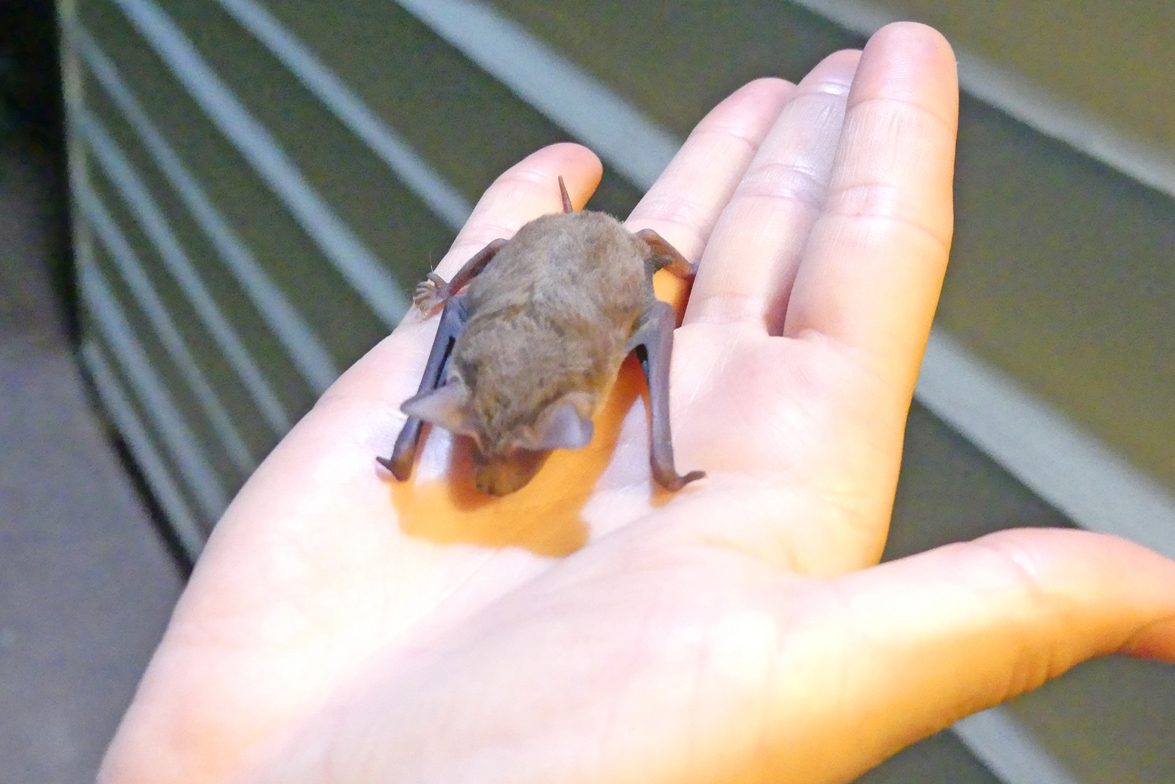
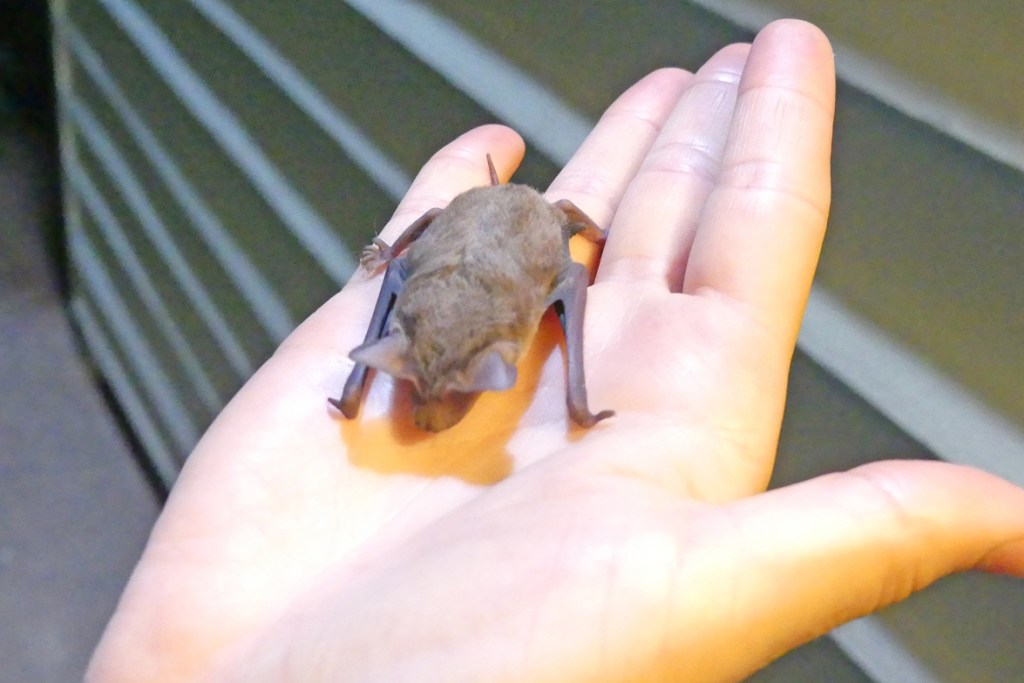
Cecil was raised in our old Queenslander on the Atherton Tablelands but he tried to fly before his wings were developed enough. He made it all the way to our shed and tangled himself in the netting we use on some of our fruit trees. Luckily we heard his cries for help but only after a night and part of a day. He was badly dehydrated. We had rescued younger baby microbats before, put them in a box and the mothers came and took them home soon afterwards. Cecil was too sick.
Atherton has a wonderful Bat Hospital which rescues about 1000 bats of many types each year. It is run by the founder Jenny Maclean and all her volunteers. The Hospital is now a tourist and education centre as well and the funds from tourism help to keep the hospital running. Jenny started caring for bats in 1990, setting up the hospital on her own property. https://tolgabathospital.org/bats/special-microbats/
When I rang Jenny, she came quickly to Cecil’s rescue but she couldn’t rehydrate him in a simple manner either. So off to hospital he went. A week or so later, Jenny brought him home and he flew off with his “clan” when they appeared at dusk to go hunting for insects. He can eat over 1,000 mosquitoes a night.
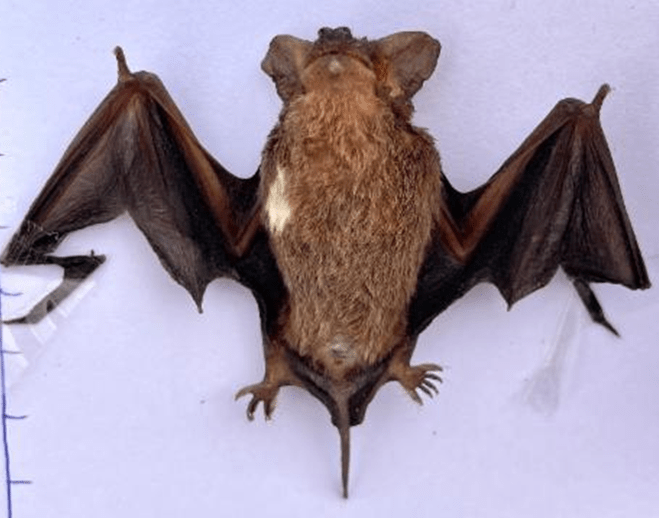
I assume Cecil is a common microbat the Eastern Free- Tail Bat (Ozimops ridei). This species is easy to raise as an orphan but the adults are hard to feed. Five different species of microbat come into the hospital – between 20 and 40 a year.
Most of the bats helped are the important Spectacled Flying Foxes that are critical for the pollination of the trees in our World Heritage Forest. In recent years the number of these flying foxes has dropped alarmingly. They get caught on barb wire fences and can die from tick infestations. They are killed by excess heat events and by wind turbines. It is the change in air pressure from the moving turbine blades, known as ‘barotrauma’, which is most deadly to bats. This phenomenon causes the small blood vessels in the lungs of bats to explode, killing them instantly. Some do collide with the blades.
It is only the microbats like Cecil that can use echolocation. The big bats have to depend on sight and smell contrary to common belief.
 My Blog has become My Nuclear Journey