Have you ever wondered how green wind energy really is, especially when you see those vast piles of wind turbine blades dumped in landfills? Social media posts with photos of wind turbine blades in landfill have raised this question, casting doubts on the sustainability of wind power. Is it actually horrible for the environment?
The video below examines why recycling wind turbine blades is such a challenge, focusing on the materials and manufacturing methods involved. Then, then it scrutinizes the current recycling methods and discusses what needs to change for blades to be effectively recycled. It also evaluates the efforts of wind turbine manufacturers and composite material suppliers towards this goal. The video was made in Jan 2024.
My original training was in Chemistry but lacked the chemistry of plastics manufacture. As Rosie’s video explains, epoxy resins are thermoplastics which do not break down to their original starting materials. Epoxy resins are made from Bisphenol A but once they set, the Bisphenol A no longer exists. The process can’t reverse.
Wind turbines are an important part of our energy systems but their siting needs careful planning. In Australia they should not be placed in areas of high biodiversity.
Australia’s Current Energy Policy a ‘Dangerous Experiment’ – Risks Trillions in Costs and Irreparable Damage
MEDIA RELEASEFOR IMMEDIATE RELEASE – 30 April 2025
Australia’s energy future is in jeopardy, according to a major open letter signed today by over 50 of the nation’s leading scientists, engineers, economists, conservationists, business leaders, union leaders, and energy experts.
The signatories warn that Australia’s current energy policies are ideologically driven and risk becoming a multi-trillion-dollar, irreversible economic and environmental disaster.
Key Points from the Open Letter:
• Australia’s energy transition is proceeding without sufficient scientific rigour, transparency, or cost accountability.
• Full renewable transition costs are projected between $7 trillion and $9 trillion — equivalent to up to $850,000 per Australian household.
• Renewable-only plans pose a severe threat to grid stability, affordability, and national energy sovereignty.
• Nuclear energy is being misrepresented and prematurely dismissed; reliable, zero-emission nuclear power could be delivered for around $120 billion — a fraction of the renewables rollout cost.
• Billions in taxpayer subsidies are flowing offshore to foreign-controlled renewable companies, with limited transparency or return for Australian taxpayers.
• Environmental damage from large-scale wind and solar developments is being overlooked by major energy councils and environmental non for profits.
Major Signatories Include:
• Dick Smith, Australian Inventor, Entrepreneur, and Australian of the Year
• Dr Adi Paterson, Former CEO of ANSTO (Australian Nuclear Science and Technology Organisation)
• Steven Nowakowski, Conservationist
• Aidan Morrison, Energy Systems Expert
• David Scroggie, Business Leader
• Jennie George AO, Former President of the ACTU
Usable Quotes:
Dick Smith:
“Without nuclear energy, Australia faces economic catastrophe. Renewables alone cannot provide the reliable, continuous power we need. We are being led into a trillion-dollar disaster by ideology, not science.”
Dr Adi Paterson:
“Australia has the engineering expertise, natural resources, and capacity to deliver a balanced and responsible energy system which includes nuclear in a reasonable amount of time. Global evidence from democratic nations is clear: the most reliable, lowest-emission, and most affordable electricity systems always include nuclear.”
Steven Nowakowski:
“Environmental groups today oppose everything except industrial-scale renewables, even when it destroys the nature they claim to protect. It’s time to return to true conservation principles and achievable solutions.”
Aidan Morrison:
“The current energy plan and renewable energy targets haven’t been determined by science or expert analysis… it’s been determined politicians, and re-branded by institutions such as AEMO to make it appear as though it’s from the experts. The current plan will be unreliable, and economically and environmentally disastrous.”
The wind turbine projects being built on the tops of the Great Dividing Range have very little sediment control. Some of the roads are very steep. I wonder how much sediment is washing into the little streams that host endangered species like the Magnificent Broodfrog. How far does the fine sediment flow? Many of these projects lie in the Great Barrier Reef catchment. Farmers must meet tougher and tougher standards regarding their properties.
For years I worked on huge infrastructure projects in Asia. Sediment control was carefully planned and monitored.
A neighbour has recently had his driveway engineered. After a relatively light rain event up here in northern Queensland, I noted that fine sediment from his driveway washed down the drains and disappeared. Sand carried for tens of metres down the roadside gutters while gravel pieces moved several metres. Here are a few photos. Note the silt still remaining on the road itself. The driveway gently slopes down to the old road-side gutters with a narrow concreted steeper area just before the gutters.
Up here, we can experience rain intensities that wash roads away and roadside slopes collapse. How much sediment will move into streams into our heritage areas from the wind turbine projects? Who is monitoring it? No-one has an obligation to report it. Thousands of kilometres of roads are being built. What is the cumulative impact?
I fight to have wind turbines built where they do not damage the Australian Environment.
What are the effects of infrasound on our wild birds?
We have no idea. It has been known for many years that other forms of noise can impact the fitness and survival of birds.
Eggs and nesting baby birds exposed to moderate levels of anthropogenic traffic noise experience large, direct, and additive adverse effects on long-term development and fitness, according to a new study. The findings underscore the disruptive properties of noise on physiology, development, and reproduction, leading to lifelong fitness reduction. American Association for the Advancement of Science (AAAS) Science DOI 10.1126/science.ade5868 .
New wind turbines in Sweden may be responsible for the death of chickens while still in their eggs.
A Case Study
The Schwere family in Ljungbyholm, Sweden maintains a hobby flock with five different breeds. The normal hatch rate from 2009 to 2020 wasat least 95% successful hatches after 21 days of incubation. In 2021, a new wind power industry with 12 turbines of 4.5 MW each began operating about 1000 m from the farm centre. During the years 2021-2023, the hens stopped incubating after 16 days, leaving all the eggs dead. Even the few hens that went into the forest returned alone instead of returning with chicks as in previous years. The family’s adult son lives 3 km from the new wind industry also keeps free range chickens. From 2009 to 2023, the hatching success rate has been at least 90%. In 2022, the son moved three of these hens and a rooster to his parents’ chicken yard, 950 meters from the nearest wind turbine. These hens also stopped incubating after 16 days, leaving dead eggs.
Egg Mortality in the Coop During the Period May 1-21, 2023
Note: +1 indicates hatched malformed and died.
(Ref: Why Does Egg Mortality Increase Near a New Wind Industry? Published in “Svensk Veterinärtidning” No 5 June 2024 Vol. 75)
Turbines are getting bigger and produce more low frequency sound and infrasound
Infrasound is sound with a frequency below 20 Hz. It is normally not perceptible to the ear, but it can affect animals and humans (negatively) if the levels are sufficiently high. What makes infrasound special is that it travels very far, as it is barely attenuated by the atmosphere, ground, or walls. It can pass straight through walls without significant attenuation. Sounds with higher frequencies are attenuated by the atmosphere and bounce off walls. Even though we may not hear it, physiological responses have been measurabled.
Health risks with Infrasound – Research from Sweden
“The fact that most people don’t hear it doesn’t mean it’s harmless. It is a common misconception that you have to hear a sound in order for it to affect the body. There is research showing that infrasound affects the brain and the autonomic nervous system even at levels well below the limits used today. The problem is that we have an old view of noise, focusing only on what is audible. But the research has shown that even inaudible sound can have physiological effects. Infrasound can create stress reactions in the body, affect sleep and trigger migraines, and this is an area that should have been researched much more than it has been done.”
Several studies suggest that infrasound can cause a range of negative health effects such as insomnia, migraines and high blood pressure.
“Approximately 30% of the population has an increased sensitivity to infrasound, and these people can be hit hard. I myself have experienced the effects. After measuring at wind farms, I can’t sleep for several nights and get heavy migraines. It is the same symptoms that many residents close to wind turbines describe. We’ve been out talking to people who live close to these works, and we hear the same stories over and over again – people get headaches, they feel a pressure in their heads, some get palpitations and others can’t sleep. And this is the big problem: there’s no escaping from the infrasound, it goes straight through walls and windows, and no authority has taken this seriously.”
How far does the infrasound spread from the wind turbines?
One of the most worrying aspects of infrasound is its long range. Unlike audible sound, infrasound is not dampened in the same way by the atmosphere but can travel very long distances without reducing in intensity. depending on the conditions, it is possible for the infrasound to be louder at 150 km from the source than it is at distances of 20 to 100 km from the source. This is very different from audible sound, which gets attenuated proportionately with the square of the distance from the source. https://www.sciencedirect.com/science/article/pii/S2210670722006126#:~:text=2022)%20report%20power%20spectral%20density,shifts%20the%20frequencies%20slightly%20higher.
The Attenuation of Infrasound with Distance
Infrasound levels can be significantly higher from downwind turbines compared to upwind turbines.
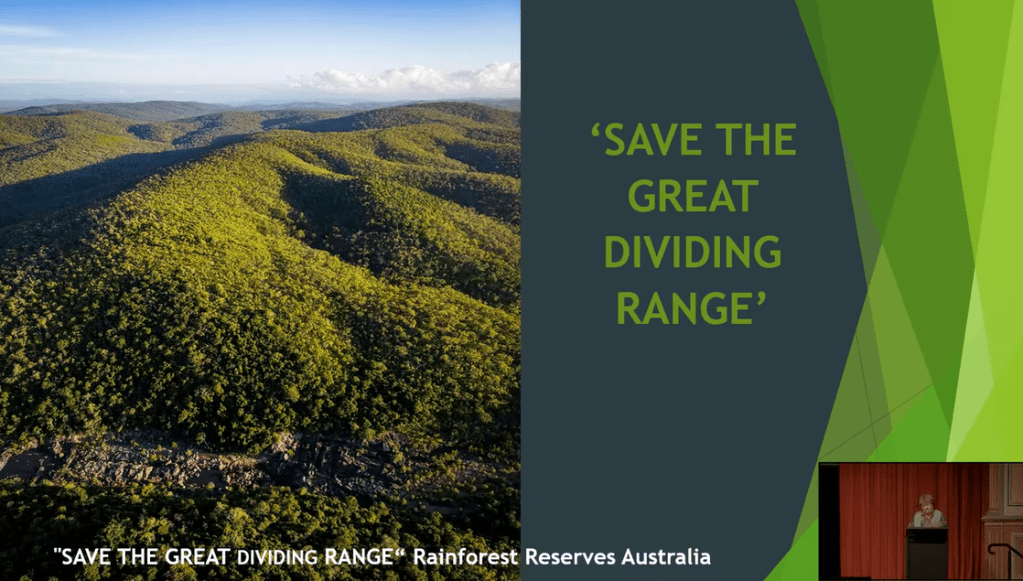
Queensland is building wind turbines on the tops of the Great Dividing Range
How far will their effect travel? A few small turbines might be OK.
But the plans are for thousands to be built. We already know that some of our precious wildlife such as koalas and cassowaries communicate using infrasound. Their behaviour will be strongly affected and their ability to breed. Do we really know what will happen to humans?
Should we trust recent claims that low-dose radiation causes cancers? What is the truth? Do we really know?
Anti-nuclear groups in Australia have been given a new weapon for their arsenal of outdated fear campaigns. Recently published epidemiological studies linking cancers and heart disease to nuclear industry workers are being spread as established fact by Margaret Beavis, Climate Council, ACF and FOE and even the Labour Party.
So much damage has been done by those who instil fear of ionising radiation in others. The “holier than thou” attitudes developed during the cold war are now very outdated. There are well-meaning groups of scientists, particularly epidemiologists, environmentalists and regulators who find it in their best interest to hang on to outdated information. Paradigms about radiation that began in the 50s and 60s have not changed despite all we have learnt about biological repair mechanisms and low dose radiation. It is a bit like comparing the safety of a modern aeroplane with the Hindenburg hydrogen airship. Why does this happen?
What is a Paradigm?
A paradigm is an interlocking set of assumptions about the operation of a complex system. It is a model of how the system works. Once accepted by the scientific community, a paradigm tends to channel attention and research funding into “acceptable” directions. Observations that fail to fit the paradigm may be ignored or suppressed. This is not a conspiracy but, instead, a reflection of human nature. When we believe something to be true, we discount alternative statements that contradict the “truth” as we perceive it. In general, a paradigm must be conclusively disproved before a new paradigm can be accepted.
It can really hurt to find out your beliefs of decades are not true.
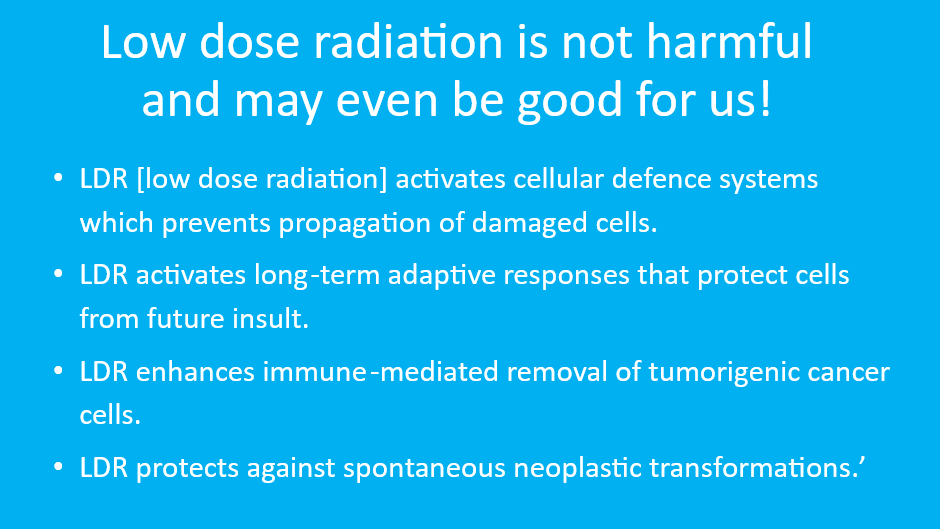
Even twenty years ago, there were over 3,000 scientific papers published in reputable journals concluding that low dose irradiation is stimulatory and/or beneficial in a wide variety of microbes, plants, invertebrates, and vertebrates. Using the parameters of cancer mortality rates or mean lifespan in humans, no scientifically acceptable study was found which showed that less than 100mSv was harmful. https://pmc.ncbi.nlm.nih.gov/articles/PMC2477686/
A reward was even offered for any one report in English with scientifically acceptable evidence of harm (increased cancer death rate or decreased average lifespan) from low dose irradiation in normal (not immune deficient) humans or laboratory animals. The reward was not claimed.
In this blog, radiation levels greater than 100 mSv are not considered to be low dose. In some medical literature the term low dose is used for much higher levels of radiation. High doses of radiation have very different effects on living entities and can harm and kill. Repair mechanisms are overwhelmed.
Epidemiological Studies
In a classic science experiment, only one variable is changed at a time. All other factors remain the same. BUT this is only possible when working with simple systems such as in some basic physics or chemistry experiments. The real world is very complex, and biological systems are extremely complex. It becomes impossible to control all influencing factors – “confounding factors”. When confounding factors have more influence on the result then the variable under consideration, scientific evaluation becomes extremely difficult. This is the reason why it took so long to prove that smoking could cause lung cancer. The more complex the system studied, the more complex the mathematical statistics used becomes.
There are many types of epidemiological studies. When there is no control population used, and the data is simply observational and collected after the effects, a retrospective cohort study is the only choice. Cohort studies can never prove causation. They can only suggest a hypothesis for more detailed study. If data are collected after the fact, a cohort study becomes even more unreliable. When a medical effect is very rare, very large numbers of people are required for the study and statements of relative risk become almost meaningless. Attempts to discount confounding factors may be made. It is simply impossible to deal with all confounding factors.
To try and obtain a result, many mathematical manipulations are undertaken on the data. In studies about radiation, different groups sometimes publish completely opposite results because the mathematical formulae used on same data set are different.
For over 70 years, radiation epidemiologists have fallen into 2 camps. Those that fully support the Low No Threshold (LNT) Hypothesis to explain radiation health effects and those that spurn its use or simply accept the status quo for now for regularity purposes.
The LNT Hypothesis
The LNT Model was formulated on data from the 2 atomic bombs dropped on Japan at the end of WW2. It is based on the following assumptions:
Radiation exposure is harmful.
Radiation exposure is harmful at all exposure levels.
Each increment of exposure adds to the overall risk.
The rate of accumulation of radiation exposure has no bearing on risk.
No Hormetic Effect:
The model does not consider the possibility of any beneficial effects (hormesis) or stimulatory effects from low doses of radiation. It assumes that any increase in radiation exposure, however small, is detrimental.
It Doesn’t Recognise Biological Repair Mechanisms:
Our knowledge of the biochemistry of molecule, cell and tissue damage and repair mechanisms has grown enormously since the 1950s.
Dr. Antone L Brooks, the Chief Scientist for the US Dept. of Energy’s Low Dose Radiation Research Program from 1998 to 2008 continues to publicize in his quiet manner that we knew better well over a generation ago that the assumptions of the LNT Model are not correct. He has stated many times that despite its simplicity when used for regulatory purposes, the LNT model overestimates the effect of radiation on living things and should not be used to estimate health effects. Many other voices say the same.
The LNT is used by many countries for regulatory practices. It is extremely conservative and hence standards for radiation protection are probably overly protective. For example, the US NRC and US EPA endorse the model, while other professional bodies such as the Health Physics Society and the French Academies of Science and Medicine deprecates it.
Unfortunately, this approach has led to unreasonable fear of radiation and excessive time and money costs. The LNT model works for high dose single exposures.
One of the organizations for establishing recommendations on radiation protection guidelines internationally, the United Nations Scientific Committee on the Effects of Atomic Radiation (UNSCEAR) that previously supported the LNT model, no longer supports the model for very low radiation doses.
The Australian Radiation Safety and Advisory Council in their Position Statement to ARPANSA on the use of the LNT model in ionising radiation protection states that:
“The appropriate use of the LNT model has enabled effective radiation protection systems. However, the inappropriate use of the LNT model has inadvertently increased community fear of ionising radiation. The Council advises that extremely low doses of ionising radiation may be associated with no or an extremely low risk of harm.
Incorrect emphasis on potential risks associated with low radiation doses and dose rates can have negative impacts as it can prevent health, medical, environmental, social and economic benefits being realised. In adopting the LNT model it remains essential to balance the low risks of low-dose ionising radiation exposure against the benefits of the radiation. https://www.arpansa.gov.au/sites/default/files/rhsac_-_position_statement_on_the_use_of_the_lnt_1_may_2017
Cellular Repair Mechanisms
When it comes to cancer, the main concern is DNA damage. Living tissue is made up of cells. Cells are mostly water. If a radioactive particle enters a cell, it transfers a portion of its energy to the cell mainly by breaking the chemical bonds that hold the water molecule together. This creates highly reactive, free radicals which can disrupt the cell’s chemistry including damaging the cell’s DNA. But do you realise that almost all free radicals are created by our use of oxygen to turn our food into energy?
Most of the DNA damage is single strand breaks, in which only one side of the double helix is disrupted. Single strand breaks are astonishingly frequent, >10,000 per cell per day. Almost all these breaks are caused by free radicals produced by the cell’s own metabolism. These are repaired almost automatically by the clever structure of the DNA molecule itself, with the undamaged side serving as a template.
But occasionally we get a double strand break (DSB). It’s the DSB’s that can start the process that may result in cancer. Cell metabolism generates a DSB about once every 10 days per cell. Average natural background radiation creates a DSB about every 10,000 days per cell.
The Cellular Changes Needed to Initiate Cancer Have Not Been Observed at Low Dose Rates
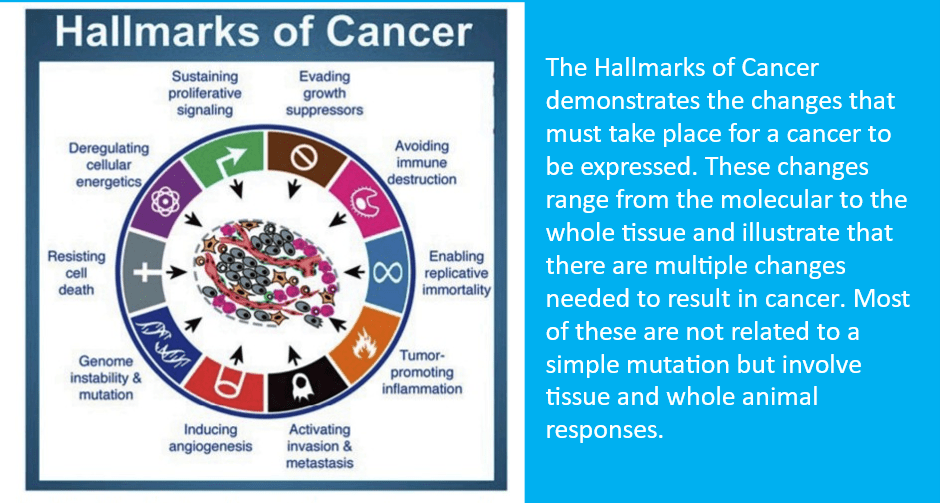
At least 6 to 8 of specific cellular changes must occur for cancer to result. The “Hit Theory” of DNA mutation as a cause of cancer is way out of date.
These changes are only seen at single high doses of radiation.
Some of these hallmark changes include avoidance of immune destruction, deregulation of cellular energetics and resisting cell death. A simple diagram of the hallmarks of cancer is shown below. Knowledge of cancer mechanisms has progressed enormously since this diagram was first formulated.
The International Nuclear Workers Study (INWORKS) is a large series of international epidemiological papers on workers in the nuclear sector. It was launched in 2011 and coordinated by the International Agency for Research on Cancer (IARC). The study combines data from nuclear workers in the UK, US and France for pooled analysis. It seeks to gain greater knowledge relating to the risks of cancer and non-cancerous diseases linked to chronic exposure to low doses of ionising radiation at low dose rates.
INWORKS followed on from 15 Country Study published in 2007 https://pubmed.ncbi.nlm.nih.gov/17388693/ (Among 31 specific types of malignancies studied, it was concluded that a significant association was found for lung cancer and a borderline significant association for multiple myeloma with a strong healthy worker survivor effect in these cohorts.
The healthy worker survivor effect has been assumed repeatedly whenever an analysis has shown that the cohort studied indicated less risk to nuclear workers. Slight variations in the cohorts are analysed by different techniques or parts of the cohort left out of the calculations or different methods are used to define the radiation levels experienced by workers. Many confounding factors were not considered. One of the most important of these is the lack of consideration of different background levels of radiation. Nor were there records of medical exposure such as CT scans or cancer treatment.
Most of the graphs shown have huge error bars yet excess relative risk is quoted with up to four significant figures. The slope of the LNT model is even used in some calculations. Many of the dozens of papers published are in the form of minimum publishable units, which makes it hard to fully understand exactly how some of the final analyses were undertaken and the conclusions reached. The INWORKS consortium has recently stated that they will not release their basic data so others can analyse it independently, claiming confidentiality problems. One of the basic tenets of the scientific method is reproducibility by others.
It is the results on these studies that are being published ignoring the rest of the literature, particularly detailed criticisms of the work. The quoted error ranges are huge. Some of the graphs could even be used to suggest that low- dose radiation lowers the workers chance of cancer – a hormesis effect. For a more detailed critique of some of the studies see https://pmc.ncbi.nlm.nih.gov/articles/PMC5974569/pdf/10.1177_1559325818778702.pdf
Government websites simply republish the “results” without interpretation or perspective. Usually, the way the results in the papers are given would be meaningless to most readers. However, I did read in one abstract today that the radiation attributable absolute risk of leukaemia mortality in this population is low (one excess death in 10 000 workers over a 35-year period)https://pmc.ncbi.nlm.nih.gov/articles/PMC11626443/
So, should we trust recent claims that low-dose radiation causes cancers and other health issues? What is the truth? Do we really know?
Some epidemiologists have been trying to prove that low-dose radiation is harmful and that the damage does accumulate for decades, and they are still trying. It is certainly possible that a few people may be affected in some way, but the risk is so small, one must ask why not concentrate on protecting people in other industries where carcinogenic substances are far more common.
We do know that most cellular responses to low-dose radiation are protective and positive. There are a couple of changes that may be positive or negative depending on the state of a cell. Nothing in life is perfect but the more biochemistry we learn, the more impressive is the chemistry of life. It seems likely, based on recent research work that cells may even need some low-dose radiation to thrive. After all we did evolve with ionising radiation.
Is it time that we found a “healthy” middle ground?
Can you help or know anybody who can help me? Please save me and all the other koalas. Here are some actions that you may be able to do.
The following is a copy of a letter from Steven Nowakowski
Dear all,
This is a call to action to STOP THE DESTRUCTION OF THE CONNORS RANGE.
It’s disheartening to see conservation groups straying from their founding mission and neglecting the critical conservation values of our environment. Many seem unable to recognise the importance of maintaining our natural ecosystems and the vital role they play in climate action.
Additionally, we see environmental groups prioritise industrial interests over environmental protection.
Here is our latest film of Lotus Creek Destruction, a 48,000ha high altitude climate refugia for vulnerable and endangered wildlife being sacrificed in the name of green energy:
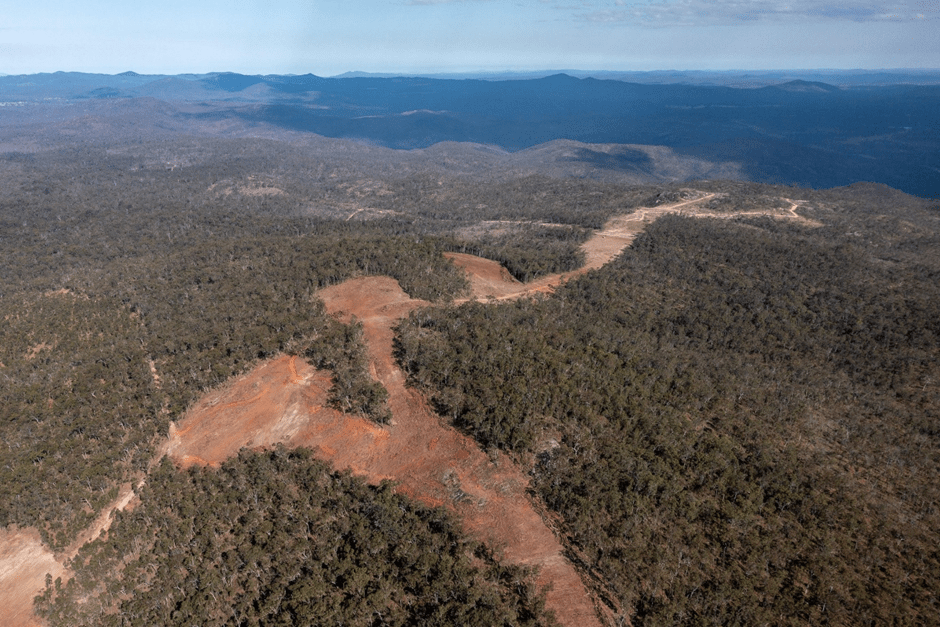
This project has just commenced and will consist of 46 x wind towers and will provide 0.47% of electricity generation for Queensland (based on 30% capacity factor when the wind blows). The images here show clearing for the first 4 wind towers.
The project is situated on the magnificent Connors Range at 550m elevation directly west of the coastal community of St. Lawrence. The Connors Ranges are high elevation intact refugia forests containing some of the best koala and Greater Glider populations left in Queensland. This will adjoin the nearby Clarke Creek Wind Farm which stretches the full length of the Nebo-Connors Range with an additional 2,000ha being cleared there now.
101 koalas and 138 Greater Gliders were found in project area. The koalas on the Connors Range were recently listed as having the best genetic diversity of koalas in Australia.
957 Cycas terryana to be cleared (Cycad species only described in 2011 and only found at three locations along the Connors and Broadsound Ranges).
48 Sannantha brachypoda to be cleared.
No sediment or erosion controls along ridge lines with boulders pushed over edges. No idea what impact will be on amphibians? Also, no idea what impact low frequency sound will play in masking mating calls of mammals such as koalas and amphibians? Early science is showing koalas being pushed away from low frequency sound.
The offsets are a scam. Two parcels of land either side of the haulage roads are the offsets.
This should be Queensland’s great Koala National Park. Instead, its being turned into an industrial energy production wasteland.
Now is the time for action. We must call on the Crisafulli Government to halt this project and protect these critical areas. We cannot afford to sacrifice our high-altitude intact refugia forests on the Great Eastern Ranges. The Miles Government bought this project off Copenhagen Infrastructure Partners in its dying days in office for a staggering $1.3 billion!
Please share this message widely and urge others to take action.
HANDS OFF OUR REFUGIA FORESTS NOW!
Send an urgent email to the following addresses, demanding a stop to this project:
Moreover, the State Government has indicated that they are currently investigating breaches and non-compliance issues at the Lotus Creek site. This necessitates an urgent stop-work order and a cease-and-desist action. Please write to the relevant department to cease destruction of this vital climate refugia for koalas, greater gliders, birdlife, bats, and countless wild animals and plants.
For follow-up, here are contact details for the State Assessment and Referral Agency (SARA):
Steven Connor, Senior Planning: 0401 995 573
Geoff Broadbent, Senior Officer: 07 4616 7302
Kind regards,
Steven Nowakowski
Vice President Rainforest Reserves Australia
The bulldozers have been running for a while now.
As Australians we said we would protect
Labour promised to upgrade the EBPC Act. Instead they are turning this
into this: (photos by Steven Nowakowski)
A letter has been sent to the Minister listing all the breaches of the approval conditions for the project and of the EBPC Act itself. If you wish to receive information about the plight of the animals on the site and a pdf copy of the long letter sent to the minister, contact me on pameliza.jones@ gmail.com
Animals are being slaughtered! If you care, are you able to assist by direct action? Our Northern Koalas have the genetic diversity that may help them survive the future. Most Southern Koalas don’t. Save Refugia areas! When we lose our special mammals, they are lost forever!
‘Science nerd’ who ordered radioactive materials to his parents’ Sydney home spared conviction.
A “science nerd” who ordered uranium and plutonium to his parents’ apartment has escaped conviction and been given a two-year good behaviour bond.
Emmanuel Lidden, 24, admitted breaching nuclear non-proliferation laws by ordering various radioactive samples through the internet.
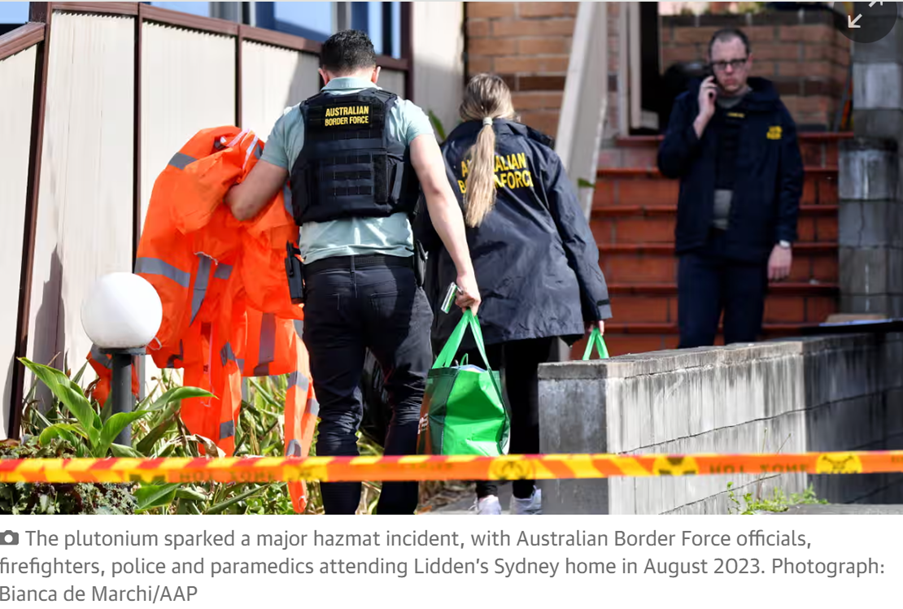
The package’s delivery sparked a major hazmat incident as Australian Border Force officials, firefighters, police and paramedics all combed the scene in August 2023.
But almost two years on, a judge on Friday spared Lidden a conviction and allowed him to walk from Sydney’s Downing Centre district court on a two-year good behaviour bond.
While his actions were criminal, judge Leonie Flannery found that the 24-year-old had mental health issues and displayed no malicious intent.
Speaking outside court after the sentencing, defence lawyer John Sutton said his client was relieved.
But the solicitor criticised border force for the way it had gone after the young man.
“It was an awful investigation for a whole range of reasons,” Sutton said.
Officers overreacted by storming Lidden’s Sydney home in hazmat suits when the amounts ordered were minuscule and harmless, he said.
“We could eat [them] and we’d still be perfectly fine,” he said.
“I’ve been contacted from scientists all around the world saying this is ridiculous.”
Prosecutors should have also questioned whether pursuing the case against Lidden in court was really in the public interest, Sutton said.
In a statement, border force Supt James Ryan called the multi-agency investigation against Lidden “extremely complex and sensitive”.
“The ABF remains committed to protecting the Australian community from all threats which can cross the border,” he said.
“I hope this example can be used as an education tool for people to be aware of the regulatory frameworks around what can and cannot be imported into Australia.”
Lidden is the first person prosecuted under Australia’s non-proliferation laws, aimed at preventing weapons of mass destruction and terrorism.
He ordered the items from a US-based science website and they were delivered to his parents’ home.
He pleaded guilty to two charges – sending nuclear material into Australia and possessing nuclear material.
At a sentence hearing in March, the lawyer described Lidden as a “science nerd” who committed the offences out of pure naivety.
“It was a manifestation of self-soothing retreating into collection; it could have been anything but in this case he latched on to the collection of the periodic table,” Sutton said at the time.
Nuclear materials can be imported legally by contacting the Australian Safeguards and Non-Proliferation Office for a permit first.
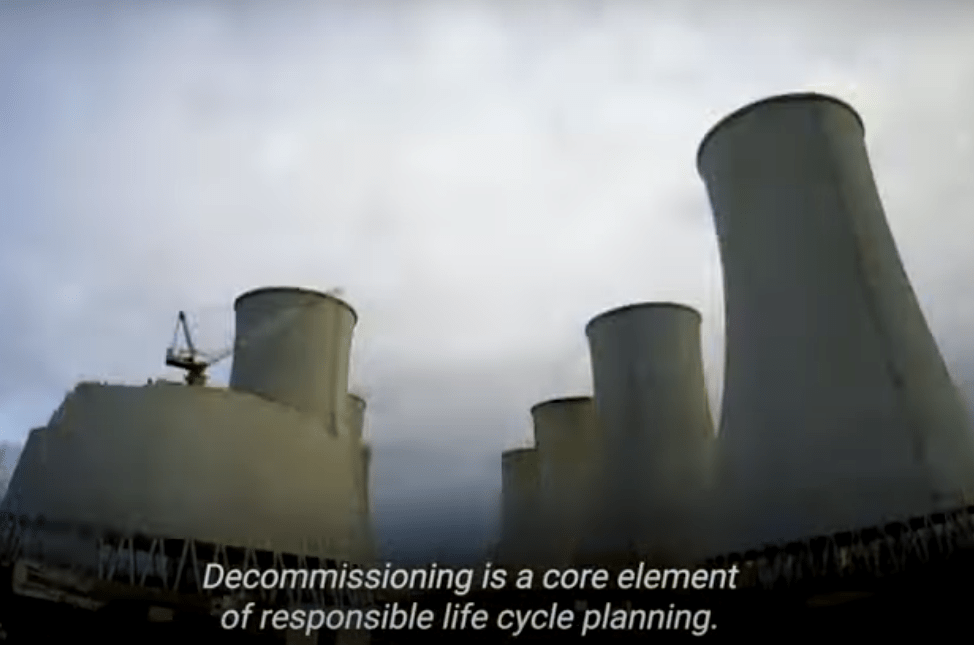
How can nuclear facilities be closed down in an environmentally friendly way once they have reached the end of their operating life? This video shows what it takes to decommission and restore a nuclear site.
As Kris Kolasinski and Martin Klingenboeck wrote in the IAEA news:
Planning and innovation play crucial roles when it comes to the end of a nuclear reactor’s life. Decommissioning activities, set to increase in the coming years as ageing nuclear power plants are retired, include decontamination and dismantling of structures, leading to the removal of regulatory controls so that a facility and site may be reused. In this video, you will learn how decommissioning activities are carried out effectively and safely, including the example of one such project currently underway in the French town of La Hague, where a former fuel processing plant is being decommissioned.
This video was first published in 2023 for the International Conference on Nuclear Decommissioning.
This is a copy of a Substack article by Robert Hargraves on April 6. The full essay will be posted in several parts. https://substack.com/@roberthargraves1
Abstract
The root cause of nuclear power cost and opposition is excessive fear of radiation. This essay explores true observed radiation, effects, harm, and benefits, summarized here, proven later.
Doesn’t radiation from nuclear power plants causes cancer?
No, its radiation damage rates are slower than biological repair rates.
Isn’t the nuclear waste harmful to future generations?
No, we can store used fuel in ground-level casks as penetrating radiation decays away. You’d then have to eat the waste to get sick.
Don’t nuclear power plants cost too much?
Yes, because regulators’ rules were written using the precautionary principle, not today’s scientific observations.
Full Essay
Radiation is a weak carcinogen. After the WW II atomic bombings of Japan we all feared globally destructive nuclear war. To intensify that fear NGOs and nations exaggerated geneticists’ idea that even trivial amounts of radiation constantly degraded human genes through generations, even to birthing three-eyed monsters. When that fiction was disproven, the radiation fear of choice became cancer.
Governments and regulators strove to protect voters from the vague harm of invisible radiation, creating rules and procedures to keep people away from any radiation from nuclear power. These rules constantly became more strict and cumbersome.
These radiation exposure rules from worldwide regulators such as the US Environmental Protection Agency and Nuclear Regulatory Commission created the problem of high cost and long build times, making new nuclear power too expensive. In reality, nuclear power can be the least expensive reliable energy source, at $0.03/kWh, if we educate the public, politicians, and regulators.
Fear can kill. Radiation from the triple Fukushima nuclear reactor meltdown killed no one, but Japan’s fearful government killed over 1,600 people with hasty, unnecessary evacuations.
Nuclear power optimism is on the rise. Will people return to nuclear fear after the next failure leaks some radioactive material out? Perfection is impossible. Radiation releases will happen. Airplanes do crash. People still fly. They understand authentic risks and benefits.
Two Westinghouse AP1000 nuclear power reactors has been powered up in Georgia. Will these be the last commercial US nuclear power plants?
Radiation fear
Wisdom of a woman awarded two Nobel prizes.
Ionizing radiation harms by displacing electrons, breaking molecular bonds in cells. Radiation dose is measured in Sieverts (Sv) or Grays, which are watt-seconds (joules) of energy absorbed, per kilogram of tissue. These are the effects of intensive, brief absorbed doses of radiation.
10 Sv is deadly,
1 Sv risks non-fatal acute radiation sickness,
0.1 Sv slightly increases future cancer risk.
Regulators mistakenly claim any radiation exposure is potentially harmful, so set unreasonably low limits, hoping to calm fearful people. Media headlines frighten people about any radiation leaks, no matter how small, in order to gain attention with headlines.
Nuclear power growth, now in vogue, will end with the next radiation release unless we replace today’s regulators with institutions that balance benefits against quantified radiation doses and observed effects.
The near century of concessions lowering 1934 radiation limits from 0.002 Sv per day to 0.001 Sv per year has not reduced harm. Lowered limits have increased public fear, along with evidence-free rulings that all radiation is potentially fatal.
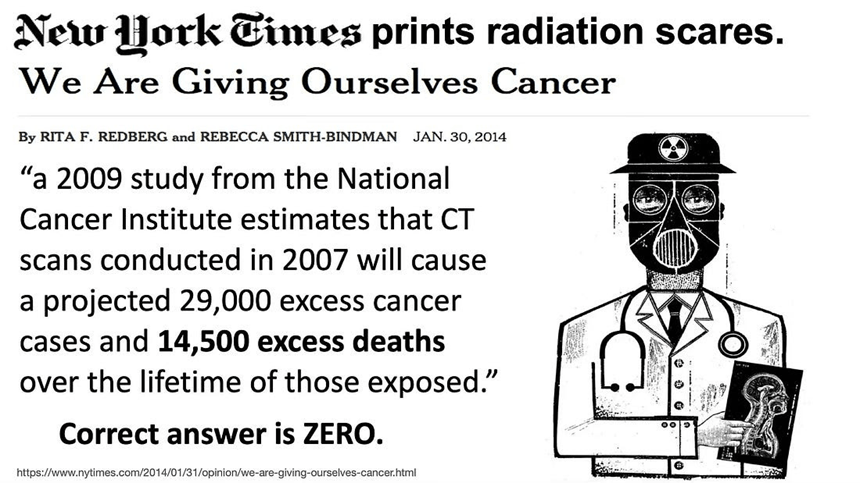
Newspapers often highlight unsubstantiated claims of radiation harm, such as this New York Times fright about CT scans, “a 2009 study from the National Cancer Institute estimates that CT scans conducted in 2007 will cause a projected 29,000 excess cancer cases and 14,500 excess deaths over the lifetime of those exposed.” The correct number is likely zero.
Atomic bomb survivors
After the 1945 atomic bombing of Hiroshima and Nagasaki, people and nations became concerned about the destruction of possible world-wide nuclear war. In 1950 began a studies of the health of the atom bomb survivors. The work was undertaken to make people more aware of the possible long term effects of radiation on genetics, and to increase fear of nuclear warfare. The Radiation Effects Research Foundation (RERF) maintains the data and publishes papers that explore linkages between cancer and radiation exposure. Radiation doses, by individual, were estimated after asking people where they were at the time of the bomb explosions, five years before.
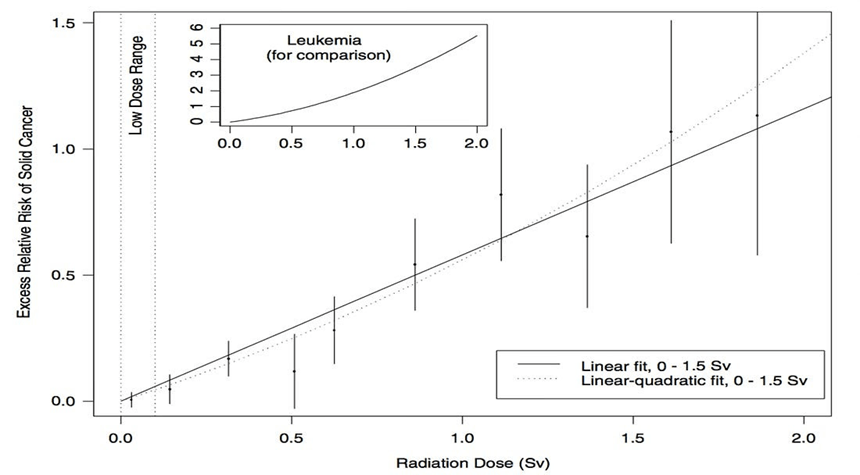
The US National Academies used REFR data to claim that the risk of solid cancer is directly proportional to absorbed radiation dose. They promote the LNT (linear no threshold) model of health effects of radiation, which maintains the chance of cancer is directly proportionate to radiation exposure, and thus there is no safe dose of radiation. They published this following chart of cancer risk for bomb survivors.
Excess cancer risk for people irradiated by the atomic bomb
However, the data point in the low dose range of exposures less than 0.1 Sv does not show evidence that such low doses case cancer. Few in the radiation science community endorse this LNT model of low dose radiation effects, but LNT remains the official policy of the US EPA, NRC, and many other organizations in the radiation protection industry.
National Council on Radiation Protection hides data refuting LNT.
A 2001 article by Jaworowski and Waligorski illustrated how many scientists were misinforming governments with information tailored to continue the simplistic LNT model. They misled people into fearing that even low level radiation was potentially deadly. The right side of their graphic shows the NCRP’s (National Council on Radiation Protection) seemingly linear relationship between leukemia mortality and radiation exposure for survivors of the atomic bombing, evidencing their support for LNT.
The left hand side shows the UNSCEAR (United Nations Scientific Committee on the Effects of Atomic Radiation) with much more detailed information about the effects of low dose radiation. There is clearly no evidence of increased leukemia mortality from radiation doses under 0.1 Sv (100 mSv). Clearly the LNT model is wrong.
A-bomb survivors’ exposures < 0.1 Sv caused no excess cancers.
The chart above uses bomb survivor cancer data to display that cancer rate increases from radiation, if any, are unobservable at doses < 0 .1 Sv. The leftmost, blue bar represents residents who happened not to be in the cities when the two atomic bombs exploded.
Part 2 will discuss regulation of nuclear facilities
It was our wonderful natural land that acted as a giant carbon sink squirrelling away almost all the carbon dioxide we produced on our land.
Bushfires caused half of that carbon dioxide we produced.
It did not include our fossil fuel exports or our imports of so many goods such as solar panels that are made using fossil fuels.
Sadly, the infographic was changed a few years later, hiding the bush fire source of CO2 by lowering the extent of the ecosystem role. Isn’t it better that we help natural systems and appreciate how much they do for us?
In many parts of Australia, when bushfires start, we simply let them burn. Most firefighting is done by an ageing voluntary fire service with little equipment and even this equipment is old and often no longer safe.
As the climate gets hotter, the potential damage done by bushfire in Australia will increase dramatically unless we do all we can to protect our land from fire and fight fires quickly and effectively when they do start. It has already been shown that access to water bombing helicopters can result in a fire being stopped very quickly. Timing is critical – the sooner a fire is reached and action taken, the less the damage. Too late is too late. Too late is too late!
A First Nations man told me recently that Australia spends less than 5% on fire management and 95% paying for the damage afterwards. He wanted to know why we had it so backwards.
We are spending billions of dollars to reduce the emission of carbon dioxide when we produce electricity. Yet, fire releases far more carbon dioxide and has the potential to become much worse. If we stay on our current pathway, we will destroy the ability of our land to be a carbon sink. Modern technology can tell us in minutes where and when fires start. Let’s start prioritizing the funds we have in our battle against global warming.
It’s nuclear or nothing if we wish to be a reasonably self-sufficient country. With no merchant navy at all, we are very vulnerable from a security viewpoint if we rely on the import of all our fertilizers, most building materials and chemicals.
“Australia’s last major plastics manufacturer, Qenos, closed last year due to high energy costs. Now, Australia is wholly reliant on imported plastics from China.
In February, Australia’s only architectural glass manufacturer, Oceania Glass, collapsed after 169 years of operation, amid soaring gas costs.
Oceania Glass was Australia’s only manufacturer of architectural flat glass, producing and distributing format glass for use in Australian homes and buildings.
According to the company’s website:
“We have a proud heritage serving Australia, having sold our very first glass in 1856 and are the only architectural glass-maker in Australasia”.
“Our glass is featured in many of Australia’s most iconic buildings, including the Australian Parliament House”.
Oceania Glass required large amounts of energy, particularly gas, to maintain the 2000-tonne furnace at the heart of its operations.
“Certainly, for us as glass manufacturers, there are no real current alternatives for glassmaking outside of natural gas or other carbon fuels”, Oceania Glass chief executive Corné Kritzinger stated in January 2022.
Oceania Glass officially shuttered on Monday 3 March, and CEO Corné Kritzinger left the following heartfelt message on LinkedIn:
On Monday, 3 March 2025, Australia lost another critical manufacturing capability—architectural float glass. The closure of the country’s last remaining float glass plant was a quiet event, attended only by employees. This stood in stark contrast to its grand opening 51 years ago, when political and business leaders gathered to celebrate a milestone in Australian manufacturing.
There was no media coverage, no public acknowledgment—most Australians remain unaware that an entire industry has disappeared from their own backyard.
For the past 11 years, Australia had just one operating float glass plant. Now, there are none. We are entirely dependent on imported glass.
The reasons behind this closure are complex, but they boil down to one fundamental issue: Australia’s economic and regulatory environment is increasingly unfavourable to manufacturing. The challenges were insurmountable.
This business had a long and proud history. It began in 1856, importing glass into Victoria. In 1931, the first manufacturing plant opened in Sydney, producing patterned glass and shortly thereafter sheet glass. A drawn sheet plant- the predecessor to float glass – commenced in Dandenong, Victoria in 1962. Then, in 1974, Australia’s first float glass line, and the first in the Southern Hemisphere, was established in Dandenong. This investment drove rapid growth, leading to a second float line in Ingleburn, Sydney, in 1988 during Australia’s Bicentenary.
Float glass production is both an art and a science. It requires precisely blending seven raw materials and melting them in a furnace at a staggering 1600°C—comparable to the belly of a dragon.
Natural gas fuels this intense heat, triggering complex chemical reactions that transform raw ingredients into perfectly smooth, crystal-clear glass.
But now, that dragon’s fire has been extinguished—permanently.
To all who have worked for and alongside this business over the past 169 years, thank you. Your contributions and dedication have shaped an industry that, though gone from our shores, will not be forgotten.
Obviously, the hyperinflation of East Coast gas costs made Oceania Glass unviable.
These costs are certain to soar even higher once LNG import terminals are built in NSW, Victoria, and South Australia, thereby locking in import parity prices at the same time as nearly three-quarters of East Coast gas is exported, mostly to China.
So, while Australia exports most of its East Coast gas to China, it will now import plastics, glass, and nearly every other manufactured good from China, thanks to expensive energy costs.
All of Labor’s fantastical 1.2 million housing construction target will now rely on imported windows. We are not a serious country.” End of article.
It is worth noting that the use of gas instead of coal reduces CO2 emissions by half. Come on Australians, we can do better than this!
All our mammals are precious. Read about Cecil’s adventures. Learn about barotrauma, bats and wind turbines.
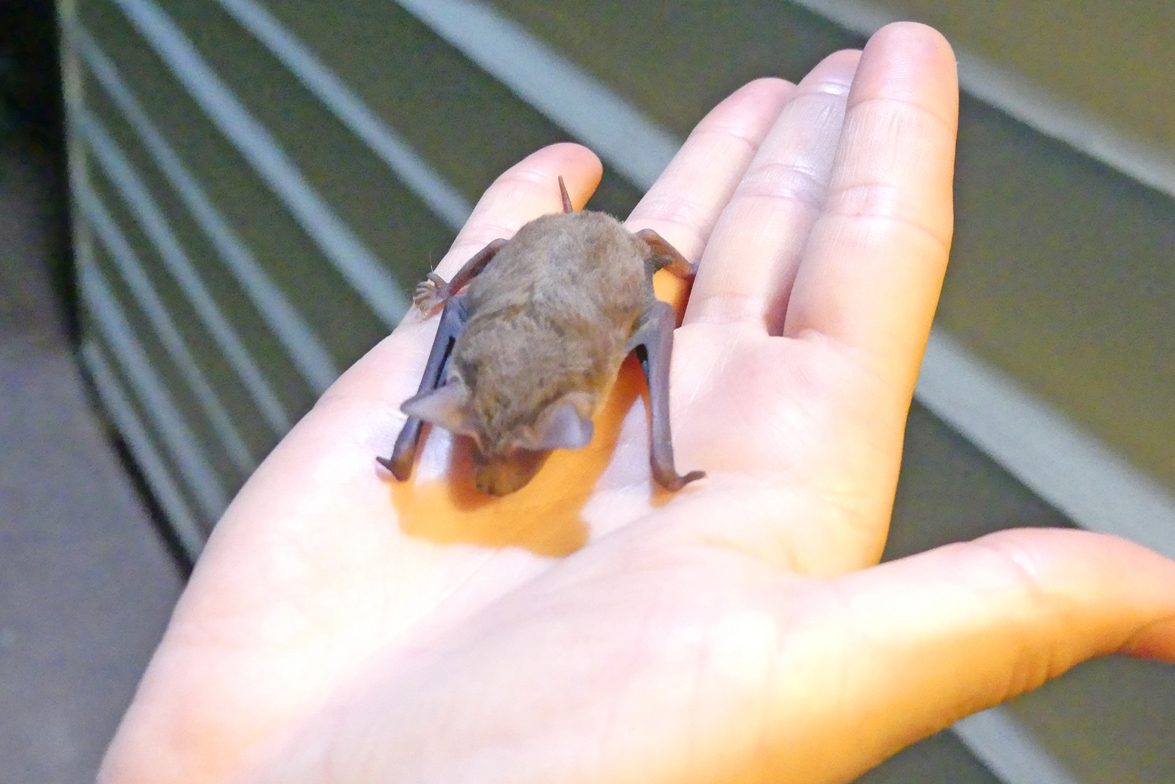
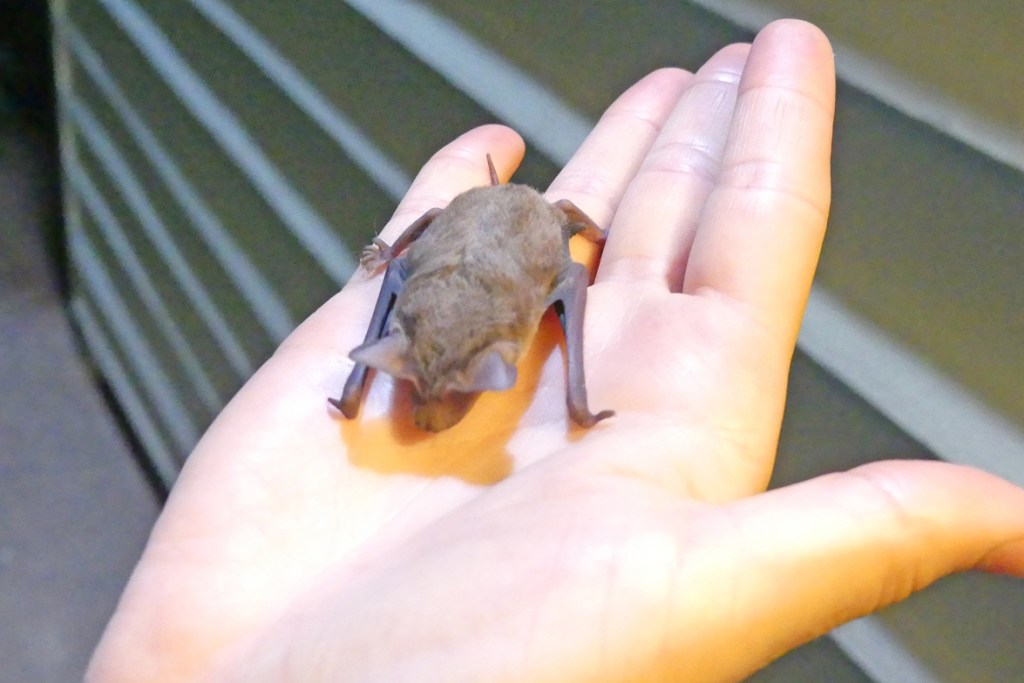
Cecil was raised in our old Queenslander on the Atherton Tablelands but he tried to fly before his wings were developed enough. He made it all the way to our shed and tangled himself in the netting we use on some of our fruit trees. Luckily we heard his cries for help but only after a night and part of a day. He was badly dehydrated. We had rescued younger baby microbats before, put them in a box and the mothers came and took them home soon afterwards. Cecil was too sick.
Atherton has a wonderful Bat Hospital which rescues about 1000 bats of many types each year. It is run by the founder Jenny Maclean and all her volunteers. The Hospital is now a tourist and education centre as well and the funds from tourism help to keep the hospital running. Jenny started caring for bats in 1990, setting up the hospital on her own property. https://tolgabathospital.org/bats/special-microbats/
When I rang Jenny, she came quickly to Cecil’s rescue but she couldn’t rehydrate him in a simple manner either. So off to hospital he went. A week or so later, Jenny brought him home and he flew off with his “clan” when they appeared at dusk to go hunting for insects. He can eat over 1,000 mosquitoes a night.
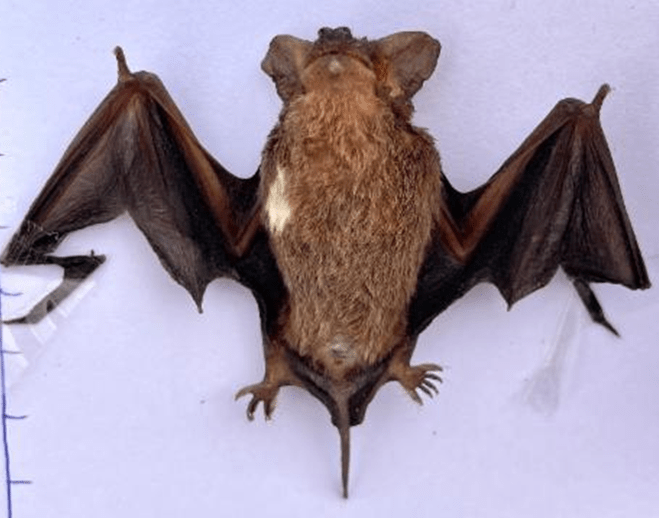
I assume Cecil is a common microbat the Eastern Free- Tail Bat (Ozimops ridei). This species is easy to raise as an orphan but the adults are hard to feed. Five different species of microbat come into the hospital – between 20 and 40 a year.
Most of the bats helped are the important Spectacled Flying Foxes that are critical for the pollination of the trees in our World Heritage Forest. In recent years the number of these flying foxes has dropped alarmingly. They get caught on barb wire fences and can die from tick infestations. They are killed by excess heat events and by wind turbines. It is the change in air pressure from the moving turbine blades, known as ‘barotrauma’, which is most deadly to bats. This phenomenon causes the small blood vessels in the lungs of bats to explode, killing them instantly. Some do collide with the blades.
It is only the microbats like Cecil that can use echolocation. The big bats have to depend on sight and smell contrary to common belief.
The cost is more than money. We blithely talk about protecting biodiversity in Australia. Are we doing so? What is the true impact on Climate Change when we buy renewables made overseas using coal fired power? Greenhouse emission data commonly quoted do not apply as they were calculated using nuclear and renewable energy for their production in Europe.
China has been doing an astounding job of reducing the use of fossil fuels for transport. Australia is lagging so far behind.
I am jealous that I can no longer be part of China’s advances. I was involved in the very early stages of China’s electrification and construction of its high speed rail system. It has been quicker and cheaper to catch a train between many Chinese cities than to catch a plane for many years now. I left Hong Kong and China where I had been leading the environmental planning of many major projects because I was smashed by a taxi running a red light on a pedestrian crossing in Paris. Unable to dress myself for 12 months I returned to Australia.
A little memento of my time at a celebratory dinner about the start of China’s high speed rail system is pictured below.















 My Blog has become My Nuclear Journey